
GREATER OPPORTUNITIES TO THRIVE AND LIVE WELL IN GREATER MANCHESTER
Putting Health at the Heart of our Places and Communities.
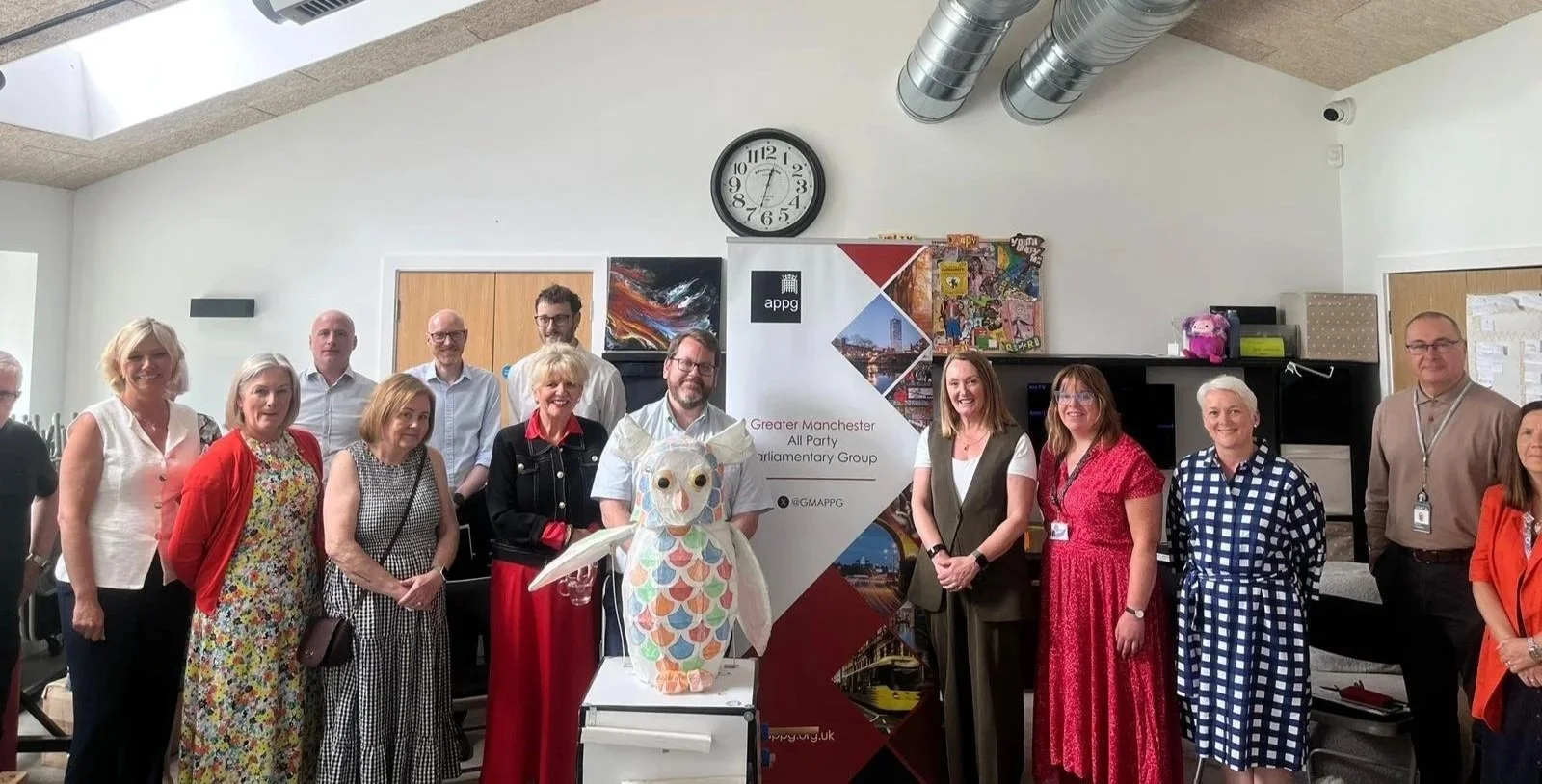
On Friday 29th May, the Greater Manchester APPG held a parliamentary visit and roundtable in partnership with the Greater Manchester Combined Authority and the Live Well Partnership.
Hosted at CommUNITY Little Hulton in Salford, the session brought together parliamentarians, local government representatives, health leaders, community organisations, academics and residents to explore how place-based, preventative approaches can improve outcomes and strengthen communities.
The session was chaired by Greater Manchester APPG Chair Jo Platt MP and attended by MPs, local leaders and stakeholders from across Greater Manchester and beyond.
Our expert panel included:
Warren Heppolette, Director of the Prevention Demonstrator Programme, GMCA
Vicky Halliwell, Dean, School of Health and Society, University of Salford
Kate Simpson, Salford CVS
Stewart Knights, Live Well Little Hulton Development Worker, CommUNITY Little Hulton
Led by Greater Manchester APPG Chair Jo Platt MP, the session was also attended by Greater Manchester APPG member Michael Wheeler MP, alongside a wide range of stakeholders from local government, health, education, housing, the voluntary and community sector, and local communities.
The session began with a community showcase from CommUNITY Little Hulton, highlighting the development of the hub and the role local residents have played in shaping its growth. Attendees heard how community research, participatory budgeting and local engagement have helped strengthen connections between organisations and residents, creating a strong foundation for the Live Well approach in Little Hulton.
Discussions throughout the roundtable focused on prevention, community empowerment and public service reform. Speakers highlighted the need to move beyond reactive models of public service delivery and instead place greater emphasis on early intervention, community capacity and supporting people before problems escalate.
A recurring theme was the importance of community voice. Panellists reflected on how initiatives such as participatory budgeting can give residents a direct role in shaping local priorities and investment decisions, helping to build trust, transparency and stronger relationships between communities and public services.
The panel also explored the role of education, skills and employment in improving health and wellbeing outcomes. Discussions highlighted the importance of creating a wider range of pathways for young people, ensuring opportunities are accessible and supporting communities to shape solutions that reflect local needs and aspirations.
A lively audience discussion covered topics including SEND provision, food insecurity, pensions, community participation and local decision-making. Contributors reflected on the importance of meaningful engagement, co-production and ensuring that communities are not only consulted but actively involved in shaping the places in which they live.
Following the roundtable, attendees took part in a guided visit of CommUNITY Little Hulton, providing an opportunity to see the Live Well approach in action and hear directly from local residents and organisations delivering community-led activity on the ground.
Key Messages
Prevention must be placed at the heart of public service reform, with greater emphasis on early intervention and community-based support.
Stronger, healthier communities are built through participation, collaboration and giving local people a meaningful voice in decision-making.
Community hubs such as CommUNITY Little Hulton demonstrate the value of place-based approaches that bring together residents, organisations and public services around shared goals.
Participatory budgeting and community-led decision-making can strengthen trust, transparency and local ownership.
Public services, education providers, community organisations and local leaders must work together to improve outcomes and create opportunities for people to thrive.
Community empowerment must remain central to the future of English devolution and public service reform.
Successful places are built not only through investment in services and infrastructure, but through investment in people, relationships and community capacity.
